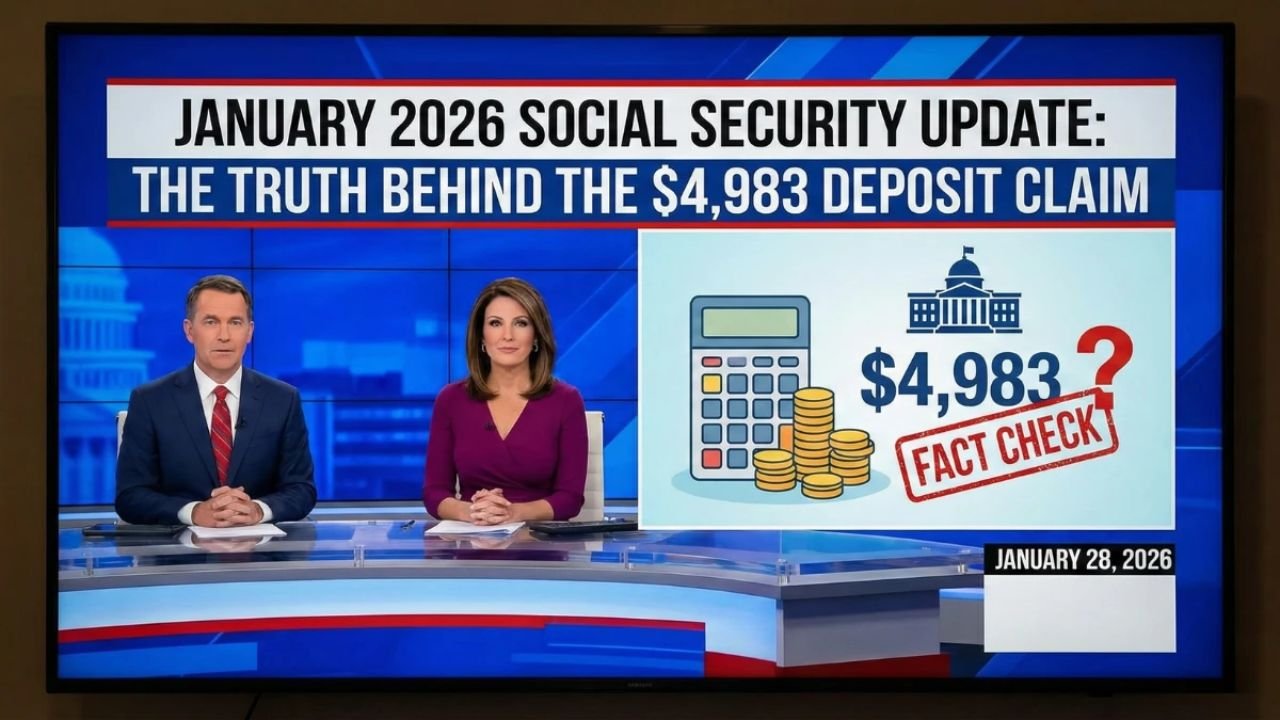
January 2026 has brought attention to unusually large direct deposits appearing in some bank accounts, with amounts reported as high as $4,983. While this has led to speculation about a new nationwide stimulus, these payments are not part of a new federal program. Instead, they result from existing benefit systems aligning and updating at the start of the year.
Why January Often Brings Higher Payments
The beginning of the year is a common time for adjusted or accumulated payments. Many government benefits are recalculated annually to account for cost-of-living adjustments, verified income data, or previous underpayments. This means recipients may see larger deposits in January, even without any new program being introduced. Early 2026 is therefore a typical window for combined or adjusted payments.
Understanding the $4,983 Deposit Amount
The $4,983 figure does not represent a standard payment for everyone. Instead, it often reflects a total sum from multiple benefits or adjustments added together. These may include:
- Social Security, SSDI, or retirement benefits
- Income-based assistance programs
- Tax credits or refunds
- Accumulated or back payments from prior periods
The exact amount each individual receives depends on their benefit type, income, eligibility, and prior payments already issued. Some may see the full $4,983, while others may receive slightly more or less.
Who May Be Eligible for These Payments
Eligibility is generally tied to participation in existing federal or state benefit programs. Individuals already enrolled and meeting program-specific requirements are most likely to receive these deposits. Key eligibility factors include:
- Filing timely tax returns or benefit applications
- Maintaining up-to-date personal and banking information
- Meeting income and residency requirements for each program
Programs contributing to these payments may vary, which explains differences in the amounts received by different individuals.
Why Not Everyone Receives the Same Amount
These deposits are not guaranteed for all Americans. Eligibility depends on program rules, not simply citizenship. Additionally, the $4,983 may represent combined benefits rather than a single payment source. Differences in personal records, missed deadlines, or partial eligibility can also impact the final amount received.
How Payments Are Issued and When to Expect Them
Direct deposit is the primary method for issuing these funds, as it is fast, secure, and efficient. Payments are sent to registered bank accounts or prepaid benefit cards. Those without direct deposit information may receive a paper check, which can take longer to arrive.
There is no single universal payment date, as timing depends on:
- Verification status and eligibility confirmation
- Weekends and federal holidays
- Bank processing schedules
Even recipients with similar eligibility may see slightly different deposit dates due to these factors.
Using the Funds and Staying Alert
Large deposits like this can help cover essential expenses such as rent, utilities, medical bills, or overdue payments. To ensure smooth receipt, recipients should:
- Keep banking and contact information current
- Regularly check official government payment calendars
- Avoid sharing personal information with unsolicited sources, as official agencies will never request sensitive data via email or social media
Final Clarity on the January 2026 Deposit
The $4,983 direct deposit expected by some recipients in January 2026 reflects accumulated or adjusted benefits from existing programs, not a new stimulus initiative. Understanding how these payments are calculated helps set realistic expectations and avoids confusion.
Disclaimer:
This article is for informational purposes only. The $4,983 direct deposit is not guaranteed for all Americans. Payment amounts, eligibility, and timing depend on individual circumstances and official government policies, which may change. Readers should consult official government resources or qualified professionals for guidance regarding their personal financial situation.